Maserati has built plenty of convertibles in its 95-year history, including classics like the Mistral and Ghibli spyders, or the just-plain Spyder that re-launched Maserati in the United States eight years ago. Yet every previous open Maserati has been a two-seat roadster. The Gran Turismo Convertible, which goes on sale in April, 2010, is the company’s first four-seater with a folding top.
Maserati’s decision to build a four-place convertible is largely a function of the market for expensive open cars. Nearly three quarters of the convertibles sold worldwide for $90,000 or more have a back seat, as either 2+2s or full four-seaters. Only 28 percent are classic two-place roadsters.
Known alternately as the Gran Cabrio, the Gran Turismo Convertible is big, bold and self-assured. Its slightly convex, vertical grille is imposingly aggressive; the upswept flair of its fenders is not apparent in photographs. The Gran Cabrio is the latest in a line of successful collaborations between Maserati and Italian design house Pininfarina. It is, in our estimation, the best looking Maserati since the company returned to the U.S. market in 2002.
By exterior dimensions, The Gran Cabrio is larger (though not heavier) than nearly all of the high-end convertibles available today, from the Aston-Martin DB9 Volante to the Bentley Continental GT C to the BMW 6 Series. Only the Rolls-Royce Phantom Drophead Coupe requires a larger parking space.
The Gran Cabrio is based on the Gran Turismo coupe. The convertible has a number of enhancements to maintain the coupe’s solid structure, including cast aluminum reinforcement in the windshield pillars. Maserati claims the Gran Cabrio is the most rigid car in its class, despite its 116-inch wheelbase. Yet the company also claims that the structural enhancements add only 220 pounds to the Gran Cabrio’s weight, compared to 400 pounds or more in the typical coupe-convertible transition.
The insulated fabric top and operating mechanism weigh just 140 pounds. That helps keep the Gran Cabrio’s center of gravity low, compared to a retractable metal roof, and helps maintain a slight rear weight bias (49 percent front, 51 rear) for sporty handling. The top and side windows open with one button in 28 seconds, at speeds up to about 20 mph. Rollover-protecting bars behind the rear headrests deploy in 190 milliseconds if necessary. The anti-theft system, including a reach-in alarm, works when the top is down.
The Gran Cabrio is powered by Maserati’s larger, 4.7-liter V8 engine, delivering 433 horsepower and 361 pound-feet of torque. Shifts come from a conventional six-speed automatic transmission, rather than the company’s rear-mounted, dual-clutch manu-matic gearbox. There’s a single Sport button that switches several functions from profiling mode to more aggressive: transmission shift points, exhaust sound, throttle application and the stiffness of Maserati’s Skyhook variable suspension.
The Gran Turismo Convertible drives like a smaller car than it actually is. Its steering is impressively accurate and perfectly weighted for a car of this type, and its gas pedal, brake and shift paddles have an easy, natural feel. The Gran Cabrio’s suspension is supple, and its ride is smooth. It’s also well balanced and willing to change direction aggressively, despite its lengthy wheelbase.
The automatic transmission is responsive in sport mode, quick shifting as a manual and smoother than the typical dual-clutch gearbox almost all the time. Overall, the Gran Cabrio is not the absolute quickest high-dollar convertible money can buy, but it’s more than responsive (0-60 mph in 5.2 seconds, 176-mph top speed).
And no one makes cars sound better than Italians. The sweet roar of Maserati’s s four-cam V8, spinning near its 7,600-rpm horsepower peak with the top down, can not be conveyed with words.
The Gran Cabrio will be offered in 14 colors, with six choices in top fabric and dozens of interior and exterior trim options. Its leather-wrapped dashboard and interior panels have the tailored look we see in even more expensive cars. It offers real, comfortable space for four people roughly six feet tall, but less space for things. With 6.1 cubic feet of capacity, the trunk is small for a car of its exterior dimensions. Maserati will offer a fitted luggage set to maximize that space.
Maserati’s first four-seat convertible will retail at $139,700, including destination charge and a gas-guzzler tax estimated at $2,100. The price includes just about everything Maserati offers. When the Gran Cabrio hits U.S. dealerships in April, the only options will be the fitted luggage and a wind blocker designed to minimize interior buffeting when the top is down. The wind blocker installs behind the front seats, and covers rear-passenger space.
2011 maserati
2011 maserati pictures
 2011 maserati
 2011 maserati grancabrio
 2012 maserati photo


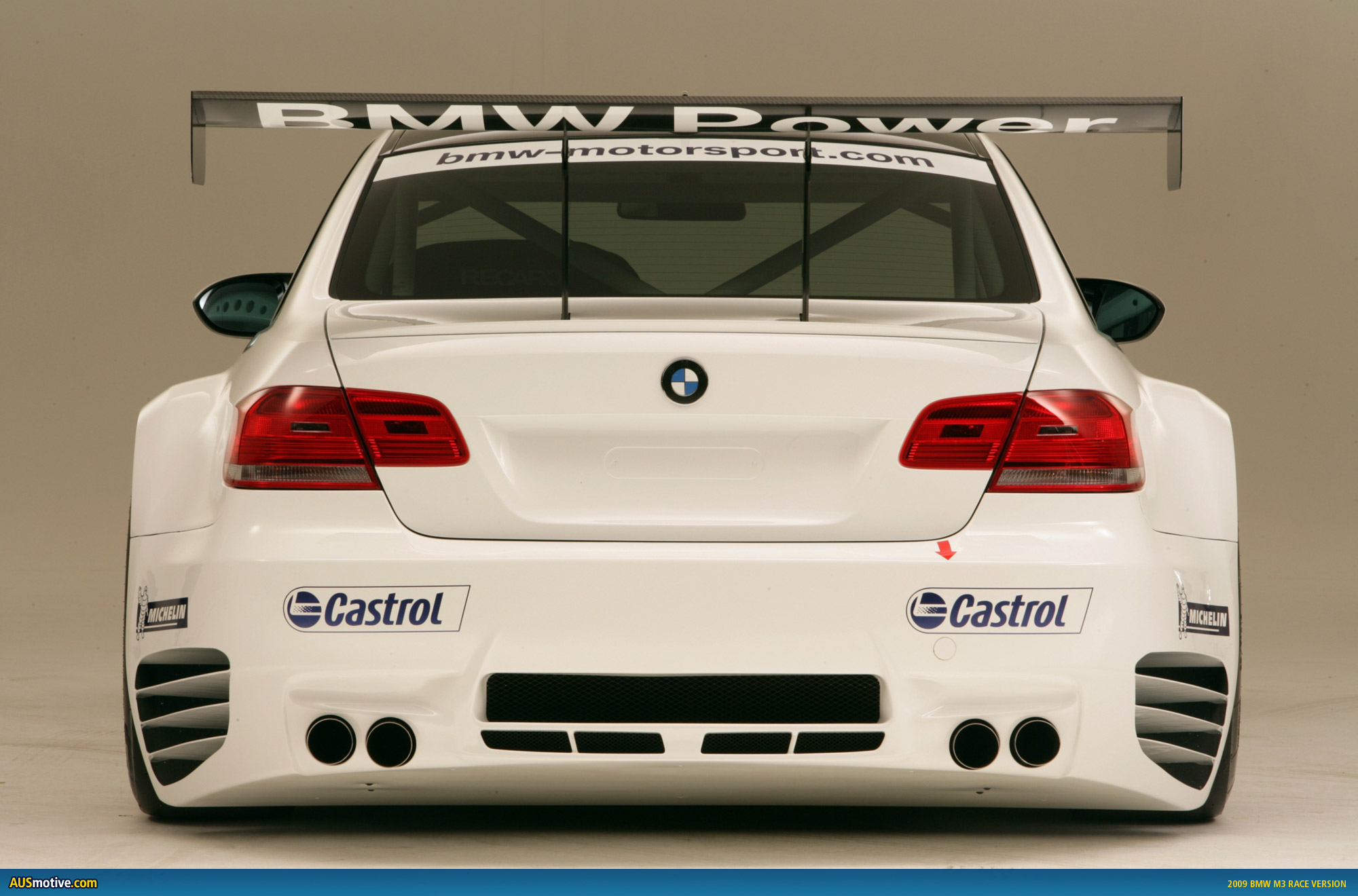 bmw m3 race car


 2011 audi q7 luxury car


